
2026 Spring Meeting
In This Section
 President’s Message – Sal Anastasi – Spring Meeting 2026
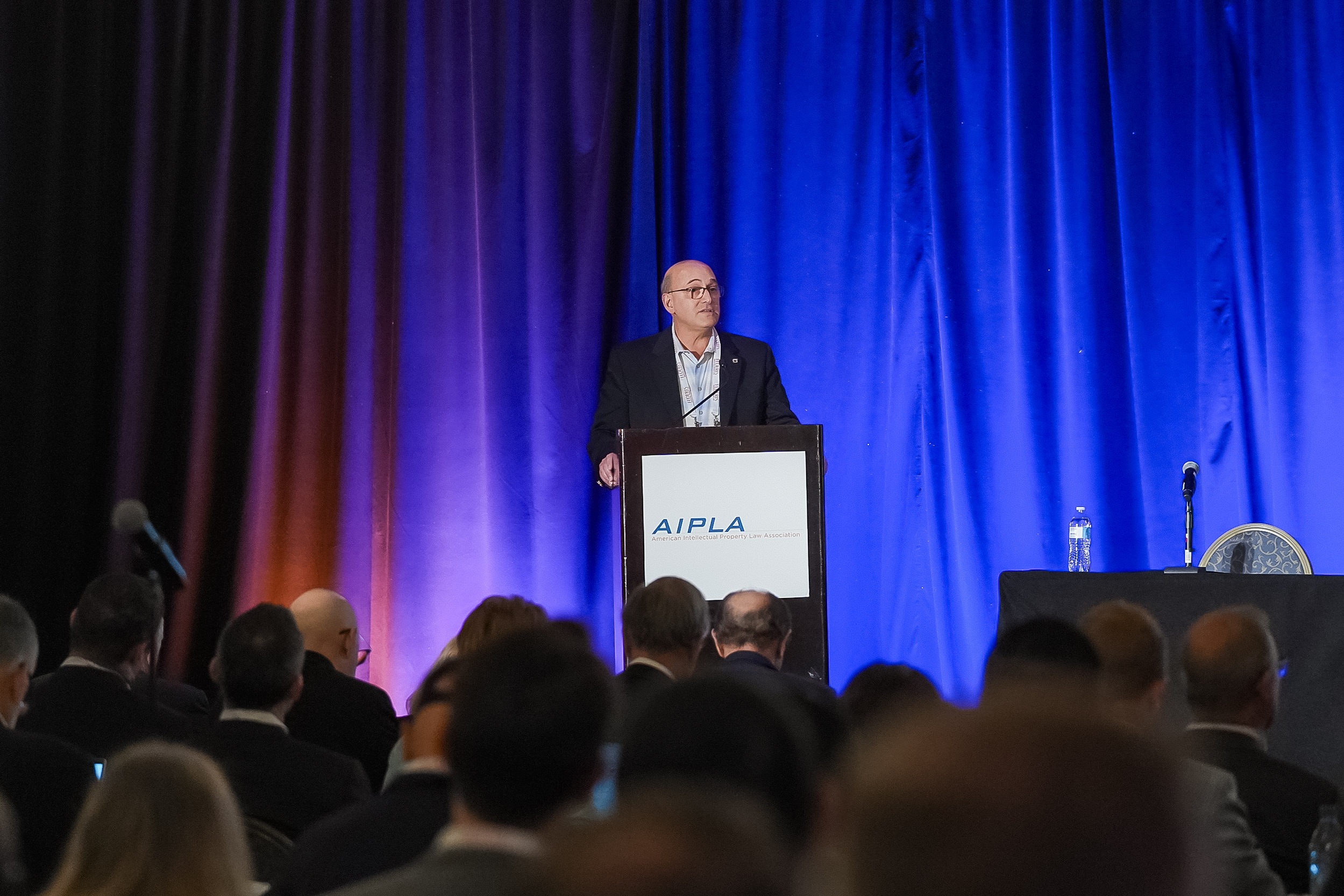 The 2026 AIPLA Spring Meeting in San Francisco brought together members of the IP community for thoughtful discussions on one of the most transformative issues facing the profession today: the impact of artificial intelligence on the future of intellectual property. The conversations throughout the meeting reinforced both the opportunities and the challenges that AI presents across patent, trademark, copyright, litigation, and transactional practice.
Speaking of connecting the IP community, over the past several months, I’ve had the privilege of representing AIPLA around the world through our international delegations to the UAE, Japan, Europe, Latin America, India, and Taiwan. These visits have strengthened relationships and reinforced the importance of global collaboration as intellectual property continues to evolve alongside rapidly advancing technologies. Closer to home, I’ve also spent time meeting—both in person and virtually—with students and new lawyers across the country to better understand their experiences, perspectives, and hopes for the future of the profession. Those conversations have been insightful, energizing, and a reminder of the importance of supporting the next generation of IP practitioners.
AIPLA has remained highly active on the advocacy front, submitting comments to the UK IPO, USPTO, China’s Supreme People’s Court and CNIPA, and India’s DPIIT on a variety of important policy and rulemaking matters. We have also filed amicus briefs in several significant cases impacting the IP landscape. In addition, our programming continues to grow through conferences, institutes, webinars, and committee-led initiatives, including the Corporate Practice Institute, Patent Prosecution Boot Camp, Trade Secret Summit, World IP Day on Capitol Hill, and the Advanced Chemical & Biotech Patent Institute. We were also proud to release the 2025 Report of the Economic Survey, providing valuable insights and benchmarking data for the profession.
Looking ahead, AIPLA will continue its robust programming and advocacy efforts with upcoming events including the Electronic and Computer Patent Law Summit and the Trademark Boot Camp. We also remain actively engaged in advancing the interests of the IP community through the submission of amicus briefs and comment letters on key issues impacting intellectual property law and policy.
In addition, I will travel to Japan for the IP5 Heads of Office and IP5 Industry meetings and, this fall, will continue my listening tour with students and new lawyers through both in-person and virtual engagements.
Now that the Spring Meeting has concluded, I want to thank the Professional Programs Committee and Officer in Charge, and everyone who joined us in San Francisco and contributed to such an engaging and forward-looking discussion on the future of IP in an AI-driven world. The conversations, insights, and connections shared throughout the meeting demonstrated the strength of this community, and the important role AIPLA continues to play in shaping the future of the profession. I appreciate your continued involvement with AIPLA and look forward to continuing these conversations in the months ahead.
 AI, Legal Practice, & the Future of IP Take Center Stage at Opening Plenary
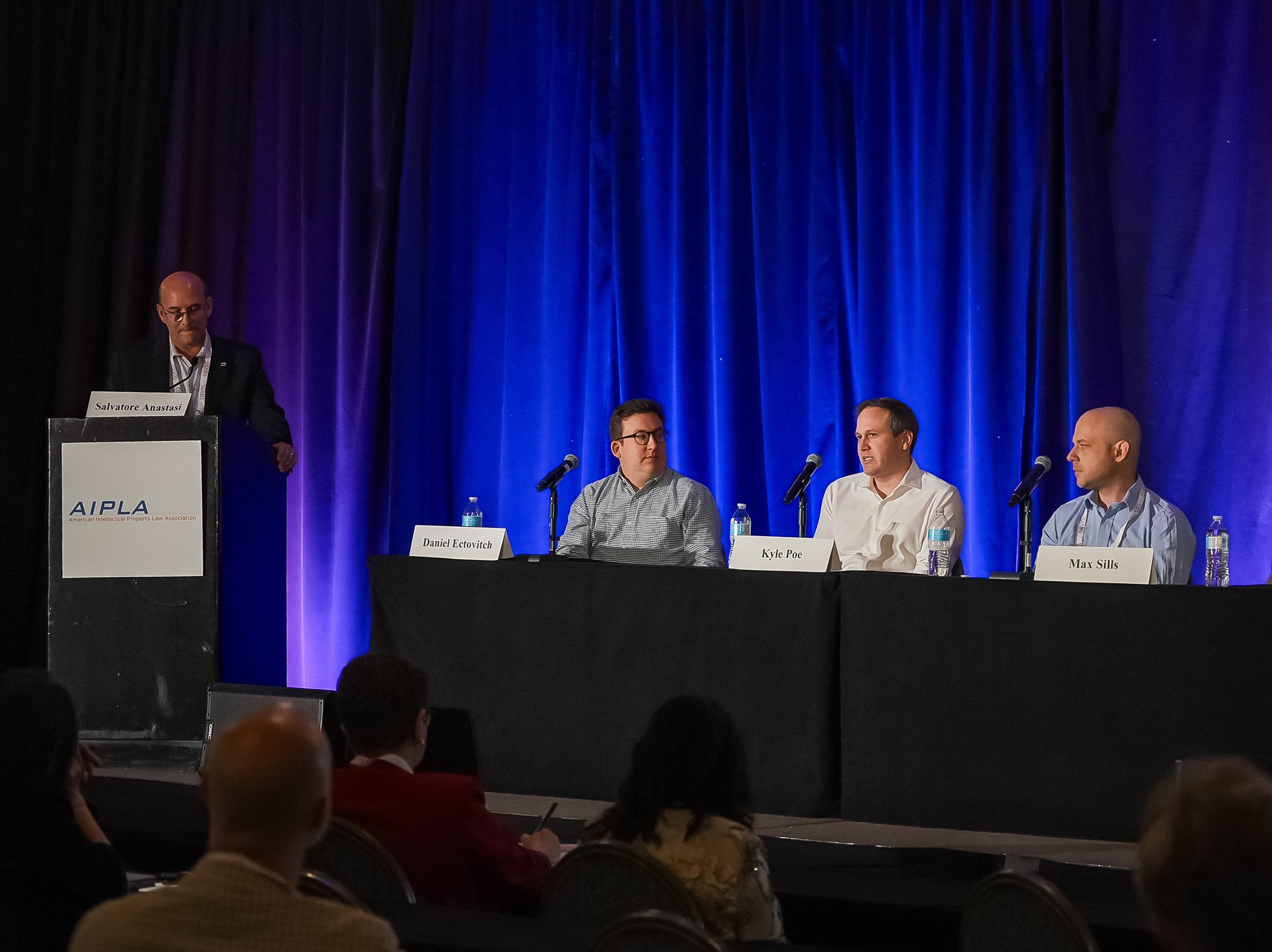
The Opening Plenary of the 2026 AIPLA Spring Meeting brought together leaders at the forefront of artificial intelligence and intellectual property for a candid discussion on how AI is rapidly reshaping the practice of law and challenging traditional IP frameworks. Moderated by AIPLA President Salvatore Anastasi, the panel featured Max Sills of Midjourney, Kyle Poe of Legora, and Daniel Etcovitch of Anthropic.
Opening the discussion, Sal noted that “everyone is grappling with the rapidly changing, disruptive environment” created by AI and posed a central question that carried throughout the session: Does our current IP framework still fit for the AI age? He framed the plenary as an opportunity not necessarily to provide answers, but to spark discussion and preview many of the themes attendees would continue exploring throughout the meeting.
Kyle Poe focused on how AI is already transforming legal practice and client expectations. He described three evolving “paradigms” of AI use in law firms: using AI as a synchronous drafting and editing tool, assigning substantive research work to AI systems, and ultimately moving toward “portal”-style service delivery models that could fundamentally change how legal services are provided. He noted that CEOs are increasingly pressuring general counsel to determine how AI should be integrated into legal workflows, while many GCs are turning to outside counsel for guidance.
He also raised questions about the future training of young lawyers. He observed that while clients have historically resisted paying for first-year associate time, AI may change that perception by augmenting their capabilities. At the same time, he cautioned against overreliance on AI, explaining that associates may use AI-generated work product without fully understanding the underlying analysis. Comparing AI to a calculator in math, he emphasized that lawyers must still understand the substance behind the output. He also addressed concerns surrounding hallucinated citations and inaccurate case law, suggesting that firms may increasingly rely on centralized review teams to verify filings before submission.
Max Sills emphasized that while AI is changing workflows, the core of legal practice remains deeply human. Drawing on his experience as General Counsel at Midjourney, he explained that lawyers must still understand client objectives, assess risks, and navigate the emotional and strategic realities underlying disputes. He shared an example of working on a case where the central issue ultimately came down to “a person having their feelings hurt”—a reminder that not every legal problem can be solved with AI. He encouraged practitioners to use AI as a tactical tool while continuing to rely on human judgment, strategic thinking, and relationship-building. He also observed that clients frequently mistake business problems for IP problems, making thoughtful counseling more important than ever.
Daniel Etcovitch explored AI’s impact on creativity, copyright, and innovation protection, acknowledging that uncertainty around doctrine can be uncomfortable for lawyers. He noted that there are still unresolved questions surrounding AI-generated works, protectability, infringement, and evolving business models, but emphasized that much of existing IP doctrine still functions effectively in the AI context.
The panel concluded with a discussion about uncertainty, adaptation, and the future direction of AI regulation. While panelists differed on whether entirely new legal frameworks will ultimately be necessary, they agreed that practitioners are entering a period of significant change and fragmentation across jurisdictions. Audience questions touched on issues including Section 112, judicial misunderstandings of AI technology, and the growing backlash against “AI slop” online. In response, panelists stressed the importance of using AI thoughtfully and responsibly while continuing to raise standards for legal and creative work.
 AI, Innovation, & the Future of Pharma: A Conversation with Genentech’s Derek Scott
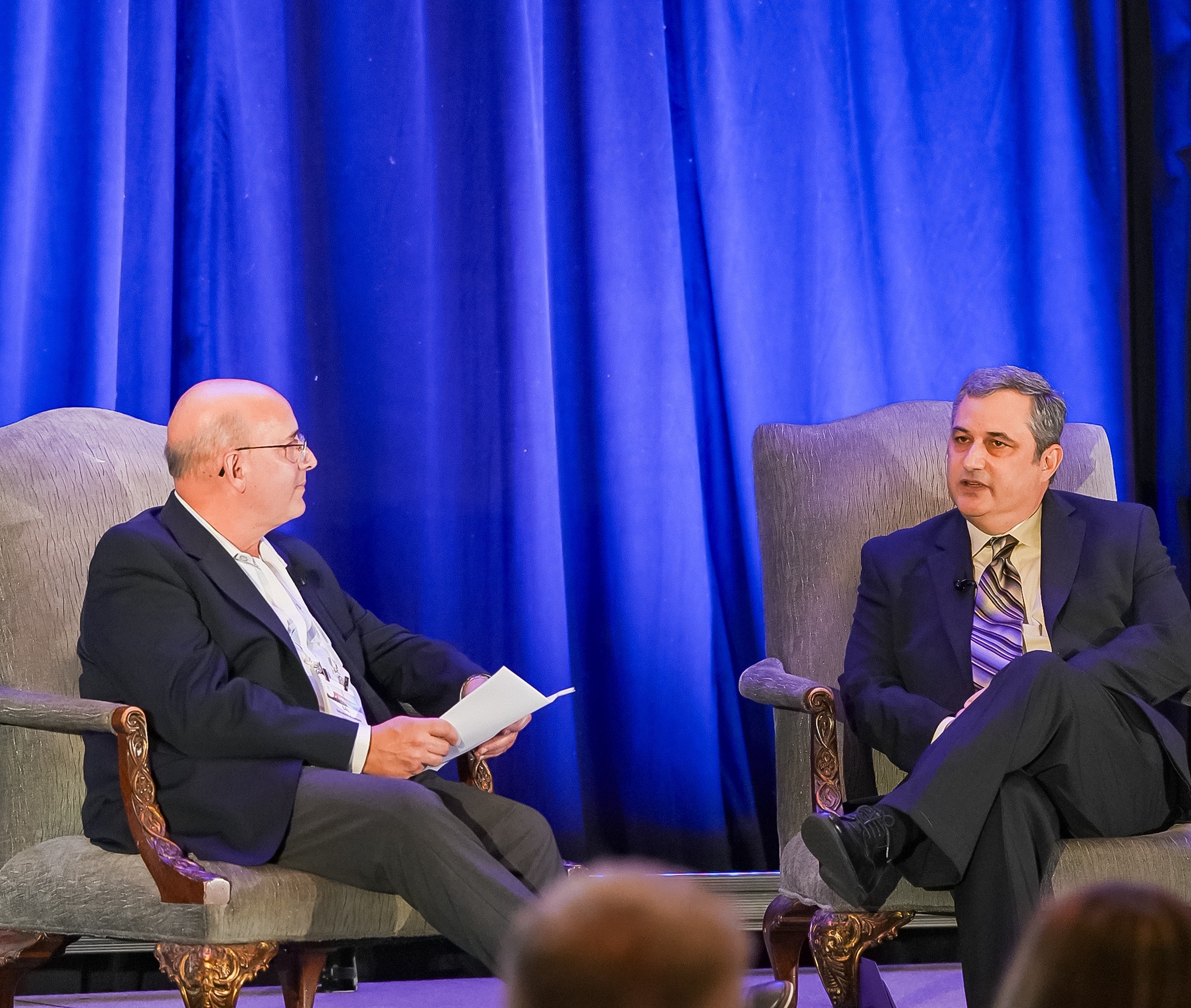
During Day One’s Keynote Luncheon, attendees heard from Derek Scott, Vice President of Intellectual Property at Genentech, in a wide-ranging conversation moderated by AIPLA President Salvatore Anastasi, on how artificial intelligence is transforming the pharmaceutical industry, drug discovery, and the future of IP.
Scott described the pharmaceutical industry as being at a major “inflection point,” noting that approximately $20 billion has been invested into pharma AI companies over the last two years as companies race to accelerate drug discovery and improve outcomes. He explained that because roughly 90% of drugs fail across the industry, there is enormous pressure to find ways to make development “faster, easier, and quicker.”
According to him, AI is now being embedded into nearly every stage of pharmaceutical development—from clinical research and regulatory processes to sales and operations. At Genentech, AI tools are already improving productivity, including helping teams assemble massive FDA submission packages that traditionally require hundreds of hours of manual work.
One of the most compelling examples Scott shared was Genentech’s “lab on a loop” framework, where scientists partner with proprietary AI systems to conduct wet lab experiments, feed resulting data back into AI models, and continuously generate new insights in an ongoing cycle. He also noted that AI is changing the way teams collaborate internally, creating “different conversations” across departments and encouraging scientists and business teams to ask entirely new questions.
The conversation also explored the challenges large companies face when implementing AI responsibly. Scott emphasized the importance of trust, particularly in healthcare and pharmaceutical industries where companies handle sensitive patient and genetic data. He discussed Genentech’s use of proprietary AI systems, ethical guidelines, and internal governance structures designed to ensure responsible AI adoption. Geopolitical and regulatory challenges were another theme, especially as multinational companies navigate competing rules in jurisdictions such as the US and China regarding data sharing and human genetic information.
On the workforce side, he acknowledged the uncertainty many employees feel surrounding AI adoption, particularly concerns about job displacement. However, he emphasized his belief that AI will ultimately augment—not replace—human work, telling attendees, “I don’t believe AI will replace us, I think it will enhance our work.” He also stressed the importance of training employees to use AI responsibly and thoughtfully, including understanding risks such as hallucinations and bias.
Speaking directly to IP practitioners and outside counsel, Scott predicted that while client expectations have not dramatically changed yet, the legal industry may look very different within the next several years as AI tools continue to evolve. He suggested that smaller legal teams and lower costs could eventually become more common, but emphasized that human judgment will remain critical: “I’m an optimist, so I think human strategic decision making around ambiguous questions will be irreplaceable and may be in even more demand.”
The session concluded with a broader discussion on policy, regulation, and the future of innovation. He spoke about the importance of innovation-friendly legislation, concerns around competing copyright decisions and patent eligibility standards, and the growing need for clearer federal AI regulation in the US.
 Eric Goldman Explores the Opportunities — and Risks — of AI’s Rapid Evolution
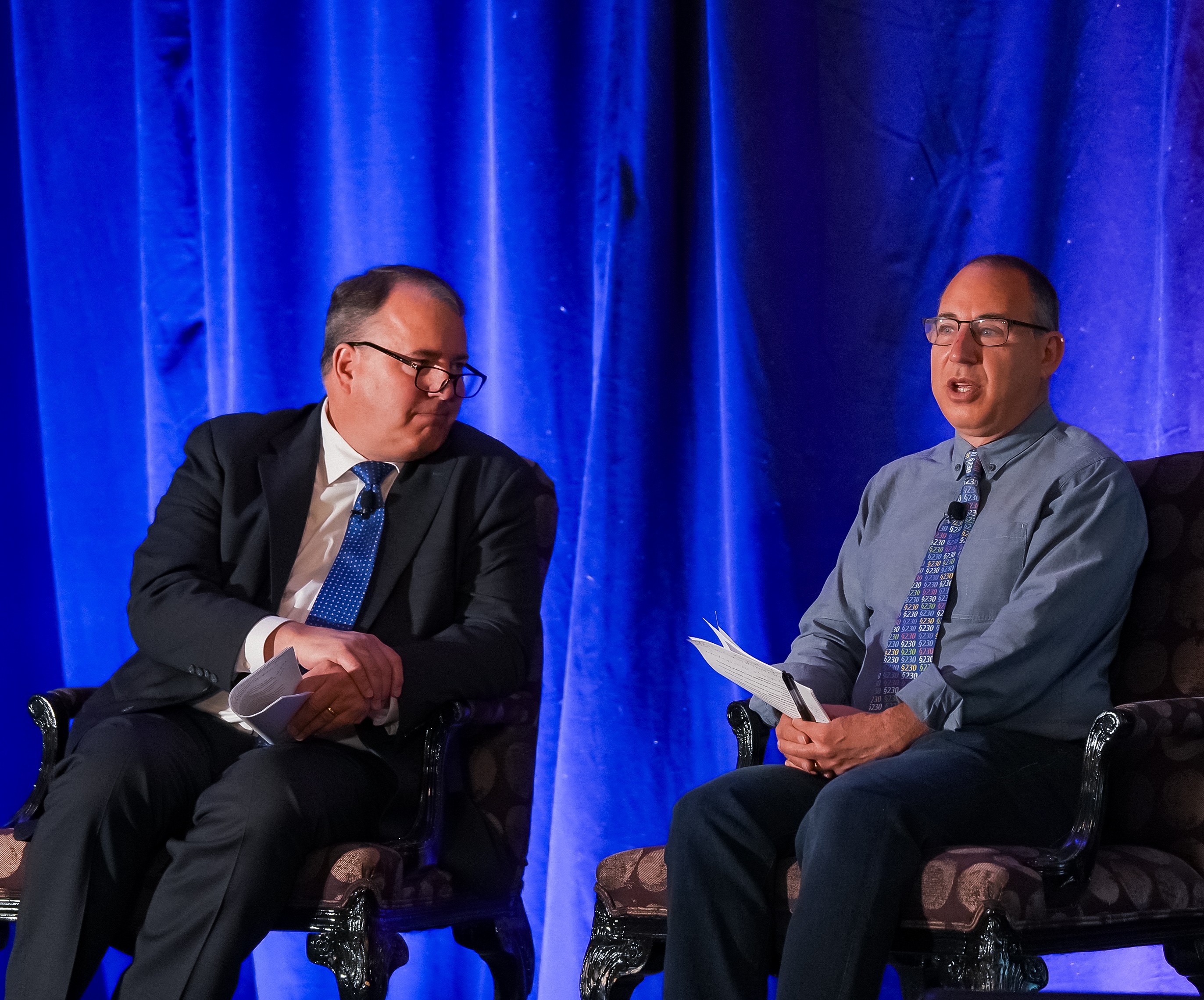
During Day Two’s Morning Plenary, attendees heard from Eric Goldman, Associate Dean for Research and Professor of Law at Santa Clara University School of Law, in a conversation on the opportunities and threats artificial intelligence presents for intellectual property law, innovation, and society more broadly. Moderated by AIPLA Executive Director Vincent Garlock, the session examined everything from the philosophical foundations of IP protection to the growing risks of AI regulation in an era of increasing “techno pessimism.”
Early in the discussion, Goldman challenged attendees to reconsider traditional assumptions about why intellectual property rights exist in the first place. Responding to questions about whether constitutional incentives for innovation still make sense in an AI-driven world, he noted that AI now allows users to create works, software, and functionality “with the push of a button,” raising difficult questions about authorship, creativity, and value creation. However, he emphasized that human contribution still matters deeply in determining what deserves protection. He also argued that the IP community may need to rethink how it values curation and contribution, observing that inventors are often placed “at the top of the pyramid” while curators and contributors receive far less recognition.
The conversation then shifted toward broader societal attitudes surrounding technology. Drawing on decades of experience studying internet law, he contrasted the “techno optimism” that accompanied the rise of the commercial internet in the 1990s with today’s far more skeptical climate surrounding AI. He explained that when the internet emerged, it was met with enthusiasm, whereas generative AI has been greeted with fears surrounding privacy, environmental impacts, misinformation, and social disruption. According to Goldman, this shift toward “techno pessimism” creates an environment where regulators feel increasing pressure to intervene aggressively in emerging technologies.
He also expressed significant concern about the long-term impact of AI regulation on innovation. Referencing his 2024 paper arguing that “Generative AI is doomed,” he warned that regulators are already “planting hundreds of seeds of anti-AI laws,” many of which could eventually stifle growth and technological development. He emphasized the importance of preserving First Amendment protections in AI-related policy debates, cautioning that without meaningful constitutional safeguards, regulators could run wild. He further warned that AI regulation is increasingly becoming a partisan issue, raising concerns that policy decisions may become driven more by political strife than thoughtful technological understanding.
Throughout the session, Goldman repeatedly returned to the importance of understanding AI as a tool rather than a replacement for human thinking. “AI is a tool,” he explained, comparing its emergence to earlier technological shifts such as the introduction of computers into legal practice. While AI systems excel at synthesizing and reproducing existing knowledge, he argued that humans still maintain important competitive advantages—particularly in generating original ideas and asking insightful questions. In his view, the future value of expertise may increasingly depend less on memorizing information and more on the ability to ask the “right questions.”
The discussion concluded with a practical overview of Section 230 and why IP practitioners should pay closer attention to it, with Goldman explaining that while many attorneys outside internet law may assume Section 230 rarely impacts their work, it frequently arises in online enforcement disputes involving trade secret, trademark, and other state law claims. He noted that certain state IP-related claims can be barred under Section 230, particularly in jurisdictions such as the Ninth Circuit, making it increasingly important for IP practitioners to understand how internet law intersects with modern enforcement strategies.
 Scott Minden on How Meta is Using AI to Scale Trademark Practice
834a4ba8f1354da2bb3ef09b70a9324d.jpg?sfvrsn=827f0647_1 "260514_132109_DK (1)") During his keynote presentation during Day Two’s Luncheon, Scott Minden, Director & Associate General Counsel at Meta, offered attendees an inside look at how Meta is integrating AI into trademark and legal workflows while balancing innovation with accuracy, privilege, and human judgment. Reflecting on his own unconventional path into IP law, he shared that he originally had “no patent law background” and became fascinated by the intersection of technology and law after encountering his first patent application.
During his keynote presentation during Day Two’s Luncheon, Scott Minden, Director & Associate General Counsel at Meta, offered attendees an inside look at how Meta is integrating AI into trademark and legal workflows while balancing innovation with accuracy, privilege, and human judgment. Reflecting on his own unconventional path into IP law, he shared that he originally had “no patent law background” and became fascinated by the intersection of technology and law after encountering his first patent application.
Minden explained that Meta’s legal team is facing the same questions many practitioners are currently grappling with: how to use AI responsibly while adapting to rapidly evolving technology. Managing the global trademark portfolios for Meta, Facebook, Instagram, WhatsApp, and other products means operating at a large scale, especially as the company continues launching products and applications at a rapid pace. According to him, AI is becoming essential for helping legal teams keep pace without sacrificing quality.
One of the central themes was the importance of embracing AI rather than avoiding it. Minden acknowledged that his initial instinct was to “wait and hold” because of uncertainty surrounding the growing number of AI tools available, but Meta’s emphasis on AI adoption pushed him to spend time actively learning and experimenting with the technology. He encouraged attendees to do the same, warning that “AI will not replace you, but a person using AI will.”
Throughout the presentation, he emphasized that AI’s greatest value lies in handling repetitive, high-volume tasks that traditionally consume significant attorney time and resources. At Meta, teams are already using AI to assist with drafting emails, presentations, and memoranda, as well as exploring AI-powered trademark clearance searches and first-pass risk assessments across more than 100 jurisdictions. He also described Meta’s efforts to build internal AI tools capable of analyzing trademark portfolios, identifying redundancies, tracking enforcement trends, and assisting with budgeting and filing strategies.
He discussed how AI is helping Meta manage the enormous volume of trademark watch notices and enforcement issues the company receives globally. Rather than replacing lawyers, AI systems are being used to triage matters, identify high-risk infringements, and narrow the universe of issues requiring human review.
At the same time, Minden acknowledged the very real risks associated with AI, including hallucinations, factual inaccuracies, and concerns surrounding confidentiality and attorney-client privilege. He shared a humorous example of an AI system incorrectly insisting that the word “delicious” contains two “R”s as a reminder that even sophisticated systems can confidently provide incorrect answers. Because of these concerns, Meta continues to focus heavily on safeguards and responsible implementation.
Concluding the keynote, Minden described himself as “very bullish” on AI as a tool while remaining “clear-eyed” about the guardrails needed for responsible use. He encouraged practitioners not to fear experimentation and revealed that he had used AI as the starting point for building his own keynote presentation. While AI did not create the finished product, he explained, it helped generate a foundation that he then refined with his own expertise, perspective, and personality—a process he said perfectly encapsulates the future of AI-assisted legal practice.
 Reflections from AIPLA Student Members
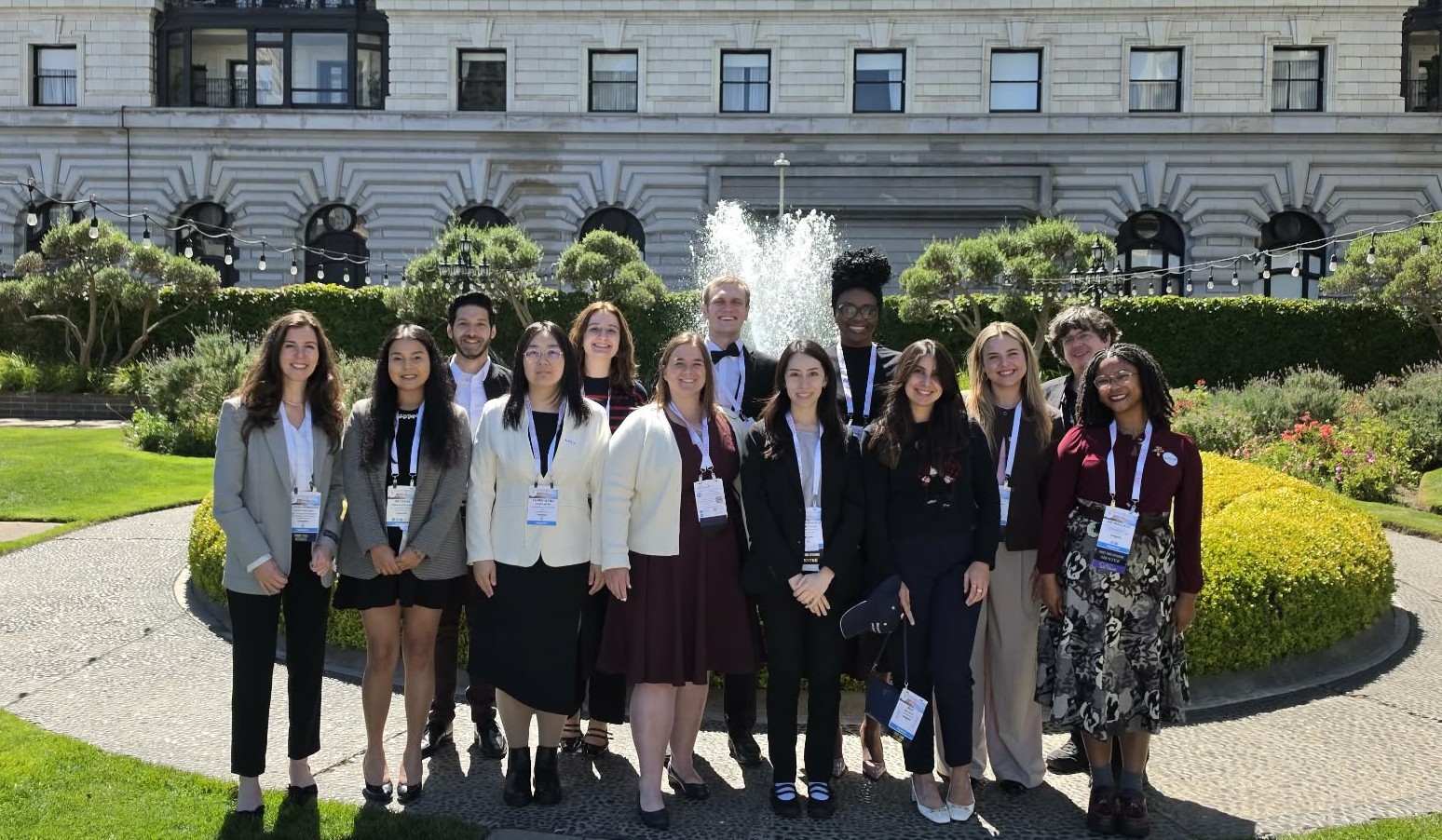
The Spring Meeting featured perspectives from AIPLA’s student correspondents, who reflected on both the substantive programming and the welcoming nature of the IP community.
__________________________________________
Mar Deniz:
LIVE from SF’s Fairmont, it’s AIPLA’s Spring Meeting!
As a First-Time Attendee and Student Correspondent, I get to report on one of their sessions (I can finally use the ‘PRESS’ badge sticker). My session of choice? The Impact of Cox on ISP Liability for Copyright Infringement, discussing the role of the Digital Millennium Copyright Act (DMCA) following the U.S. Supreme Court’s Cox Communications, Inc. v. Sony Music Entertainment decision.
The panel took us on a journey around contributory infringement and the historical context of the DMCA, going back to past decisions that touched upon the formulation of contributory infringement. From Gershwin Publishing v. Columbia Artists Management’s focus on knowledge, to missed opportunities in Sony Corp. of America v. Universal City Studios, Inc. (Betamax’s videotape recorders case from 1984) or even DMCA’s provisions around standard technical measures.
The panel went on to review and debate what follows from Cox Communications, Inc. v. Sony Music Entertainment. Its main takeaway: if there is an ISP that is capable of both infringement and non-infringement, the way to address contributory infringement is by proving intent, either by inducement or tailoring a service to infringement.
The session concluded with an interesting discussion of what practitioners would like to see for future DMCA guidance, practical tips involving litigation, and lots of curiosity for what lies ahead.
Thanks to the speakers and American Intellectual Property Law Association (AIPLA) for making First-Time Attendees feel so welcome! Keep an eye on your feed for more Student Correspondent perspectives! #AIPLASM26
Yajing Wang:
As a foreign-licensed attorney and current JD student in the U.S., attending the AIPLA Spring Meeting has been an incredibly rewarding experience. This is one of the most inclusive and welcoming professional communities I’ve had the chance to join.
As a first-time attendee, I was paired with a mentor to help me navigate the event, and I’m especially grateful to my mentor, Kelu Sullivan, for inviting me to join the Women in IP Committee for afternoon tea and dinner. It was a valuable opportunity to hear perspectives from practitioners across different areas of IP practice.
At the First-Time Attendee Reception, I met attorneys working across various Asia-Pacific regions, as well as a cybersecurity specialist, the exact area I’ll be exploring next semester through my law school clinic! These conversations offered just a glimpse into the range of jurisdictions and practice areas represented at the conference.
When I asked a long-time attendee what keeps him coming back year after year, he simply said, “The people. Amazing people.” After just the first day, I understand exactly what he meant. One hour at a reception is never quite enough, but it’s a meaningful start to what I hope will become long-term professional connections.
Gareth Green:
“Compared to the landscape of even a year ago, the regulatory environment for AI developers and deployers has grown considerably more complex.” — Matthew D'Amore
On Day 2 of the American Intellectual Property Law Association (AIPLA) 2026 Spring Meeting, I attended The Impact of AI on Trade Secrets: What Every Lawyer and Client Needs to Know, moderated by Johanna Jacob and featuring Jim W. Ko, Sarah Tishler, and Matthew D'Amore.
First, I want to thank Johanna Jacob, Jim Ko, Sarah Tishler, and Matthew D’Amore for sharing their expertise, experience, and wisdom with those of us still learning our way into this area of practice. Each speaker brought a different perspective such as IP risk management, AI governance, litigation, trade secret protection, legal education, and the changing relationship between law and technology. This combination made the panel engaging, educational, and fun (which, even as a student, I know is not always the case with CLE presentations!)
AI creates trade secret risk even when no one is trying to actively steal anything. A lawyer, employee, or client may enter sensitive information into an AI tool for convenience, not realizing that this can be considered a form of public disclosure which could put trade secret protections at risk. That makes vendor terms, enterprise-level protections, no-training commitments, data retention policies, and internal AI-use policies all part of the trade secret conversation.
The session also highlighted that trade secret law was built around human-scale disclosure, identification, and misappropriation. The new public addition of AI changes that scale. It can generate potentially valuable information, analyze large amounts of public data, and make confidential information easier to discover or reconstruct. That then raises questions about ownership, reasonable measures, and whether some information remains protectable if AI can make it more readily ascertainable.
My biggest takeaway from this awesome track is that AI governance is becoming part of preserving trade secret protection. The question is no longer only “Was this information valuable and secret?” It is also “What systems, contracts, policies, and safeguards were in place before the issue arose?”
In closing, as a law student, this was another addition to the ever-growing reminders that we are entering the profession while AI questions are at the forefront of our everything. As future lawyers and professionals, we have an advantage in entering the profession at this moment because we are seeing the development of societal altering technology. We are watching new questions emerge, learning from the wisdom of experts, and preparing to help shape the conversations that will define the future of practice. I feel more prepared now.
Cheers for the great track!
Jacqueline Trinh:
It’s Day 2 at the American Intellectual Property Law Association (AIPLA)’s Spring Meeting in San Francisco and I’m excited to share my takeaways from attending the panel on improving your examiner interview skills. I was enthralled from watching Ann McCrackin’s live demo on how to use custom GPTs to simulate patent examiner’s interviews. The most notable feature is the voice mode which enables the GPT to role play with users in real-time dialogue. It pushes for clarity to increase the chances for a positive decision from the examiner. This could be life changing!
Alyssa Heminger:
Natasha Voros:
.jpg?sfvrsn=ac474a8f_1) SM26 Photos
SM26 Photos
 Upcoming Events
 Upcoming Webinars
 New Members

Upcoming Events
-
2026 AM IP Practice in Japan Pre-Meeting
October 27 to 28, 2026
The Pre-Meeting is open to all and is a great event for networking with colleagues from Japan and other countries. Presentations will be provided by the speakers from AIPLA, the Japan Patent Attorney Association (JPAA), and possibly from the International Association for the Protection of the Intellectual Property in Japan (AIPPI-J), Japan Trademark Association (JTA) and Japan Patent Office (JPO) on a range of topics -
.png?sfvrsn=ababee26_1 "AM26 Sq (1)") AIPLA 2026 Annual Meeting
AIPLA 2026 Annual Meeting
October 29 to 31, 2026
-
2026 Annual Meeting
October 29 to 31, 2026
-
 AIPLA CLE Webinar: Discovery in AI Patent Litigation
November 10, 2026 1:00 PM to 2:30 PM | Up to 90 Minutes CLE Eligible
-
 AIPLA CLE Webinar: Data and Market Exclusivity: An Update on China’s New Law and Comparisons to the US and Europe
November 19, 2026 10:30 AM to 12:00 PM | Up to 90 Minutes CLE Eligible